It is obvious why I stand out, even when covered from head to toe in my burqa. Anyone would know I was different. I walk differently. I take long, confident strides; I stand tall. Afghan women slouch and take tiny steps because they can’t see the cracked, rocky, shattered, rubbish strewn foot paths through the face-covering mesh that makes seeing them impossible and near impossible for them to see out. They grip the burqa from inside under their chin and pull it tight over their face so they can see through the meshing. I wear glasses but have never seen an Afghan woman in glasses. Come to think of it, I have never seen an eyeglass shop here. I guess they don’t have them. So I had to learn to walk differently and grasp the cloth as they did to not stand out. The burqa made it possible for me to walk the streets and wander the markets. It was a means of freedom for me, rather than the mark of oppression we would have assumed it to be.
I have no idea what the healthcare system was like in Kabul. I do know that they have almost no female doctors. So my few friends here who talk to me about their female problems have to arrange a trip to Pakistan to see a female doctor. No one would consider a male doctor to treat a female, never mind a female problem. But with so few female doctors, nurses, or midwives, more women die here in child-birth than anywhere else (with the exception of Zaire – or something like that). So what do women do if they cannot afford the trip to Pakistan? And what do moms do when their child is sick? Opium is cheap and plentiful, whereas aspirin is expensive and hard to get. Moms rub opiates on the gums of their teething babies and use opium to manage fever or colic or anything. Not surprising that addiction is rampant. And people wonder why? Welcome to Afghanistan, officially the worst place on earth to be a woman.
Before my departure to Kabul, I stressed over wardrobe. Nothing tight or form-fitting, shoulders, arms, and legs covered. I was living in Indonesia at that time so perused the second hand shops for large shirts, baggy trousers, long skirts, or Muslim wear as the shops called it; things I would leave behind for whoever wanted or needed them. When I finally arrived at the office of the international organization that hired me, I was by far the worst dressed person in the room!!! Who would have guessed that Afghan women have an amazing sense of style! Sure it covers, but their outfits were feminine, elegant, perfect fabrics for the climate, colorful, and quite beautiful.
Beyond the clothing debacle, I was there for one month only, to lead a team of local non-government organization staff to engage in social research from which we would design some projects together. It pains me that I, a stranger to Afghanistan, its language, culture, history and its excessive problems, should be the one to lead such an important task. How could I possibly learn enough about this fascinating and tortured place to design the kinds of projects that can help mend it? This is a question I often ask myself. Why me? Why should these Ethiopians, or Indonesians, or Liberians, or Pakistanis need this naïve little New Yorker to come and teach them how to do what they have been doing forever in their own country about which I know so little? So far, things seem to work out. Lucky for me my experiences in field research and critical thinking, my suggestions, my ability to help local staff to critically analyze and interpret the information they collected seemed helpful. I feel it’s all just an act, but it seems it’s one I am pretty good at, no matter where I have been sent. I train teams to ask questions and actually listen for answers rather than constrain responses to fit into preconceived notions of what they think the people funding them would want to hear. I teach them to observe; does what you see mesh with what people are telling you? Do men and women respond differently? Do youths and children have similar perspectives to their elders? What do these differing perspectives tell us? What assets do people already possess that could be exploited to their advantage? What do people actually want?
Before and after my teams conduct their field work, we discuss how and why to do interviews and data collection. When they return, we write all the various information they collected on index cards and then group and compare them on a large wall to analyze all their findings. I find that standing together by the wall and physically maneuvering the cards helps our discussions much more than sitting at a desk. For this ridiculously complex job, our target populations were 1) street kids, 2) drug users, 3) victims of domestic violence, and 4) unemployed youths within a shattered economy. Imagine trying to come up with projects to tackle all four of those huge issues in one month! Four projects, four different teams all out collecting information that we will share and interpret, organize and design an intervention that could provide each group some element of relief from their daily problems. If our projects can even help a handful of people, we have done well. On a narrower level, if our collaborations helped the local team to perform better, to understand better or to interact better with their communities, then my work was a success. I won’t change the world. I will, I hope, change a few people for the better. As far as I will ever know, the only person changed is me.
Since this was Afghanistan, I was not allowed out from Kabul so could never accompany the teams on their data collecting. I could only observe the interviews with street kids in Kabul. In fact, even though my accommodation was only a half mile from the office, we had a car come every day to fetch me. If anyone was on the street when the car came, or dropped me off, I was not permitted to leave the compound until they passed. As a fairly active person, I hated being driven everywhere with an armed guard. One day I was adamant about walking to the office. They relented and I walked – as long as I had a male guard with me. We stopped at a roadside bakery to buy bread. My male escort had a crush on the baker. Their flirting in a language I did not know was adorable. That afternoon, while at the office, the Shia mosque one block away from my compound was bombed. The entire area was full of soldiers, helicopters circling overhead. I didn’t argue when I was told there would be no more walking.
The most frustrating part of being a consultant is never knowing what happens after I leave. Were my suggestions followed through? Was the intervention we designed implemented? Did it have any impact on our target communities? With so many changes in staff and the even worse conditions in Afghanistan after the Taliban take-over, I have lost touch with all the people I worked with. I only hope i have left on them just a fraction of the impressions and fond memories they have left on me.
Kabul, Afghanistan, August 2011
Started 2011 in Kabul, expanded in Jogja, finally finished 2026 in DeLand
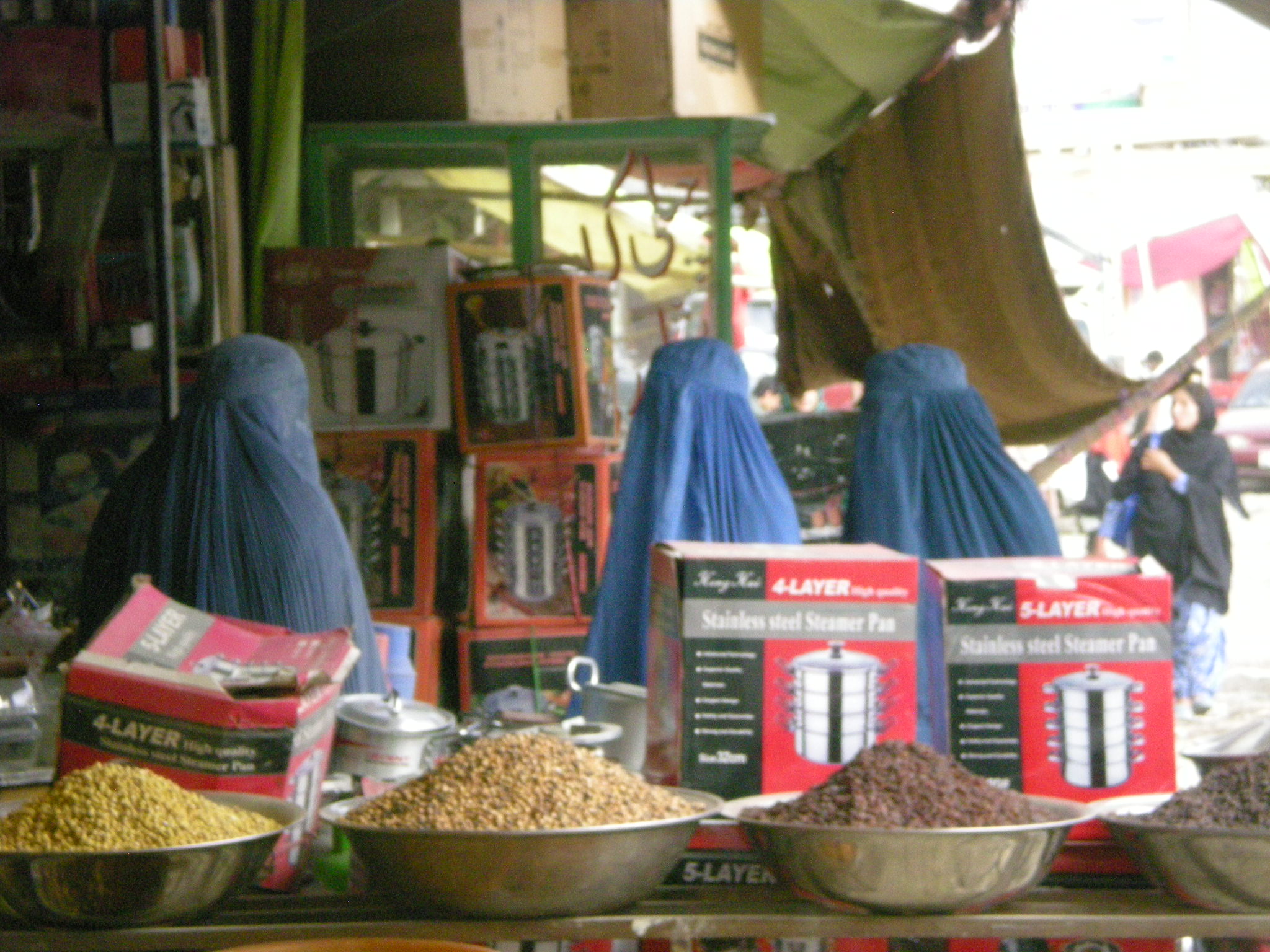
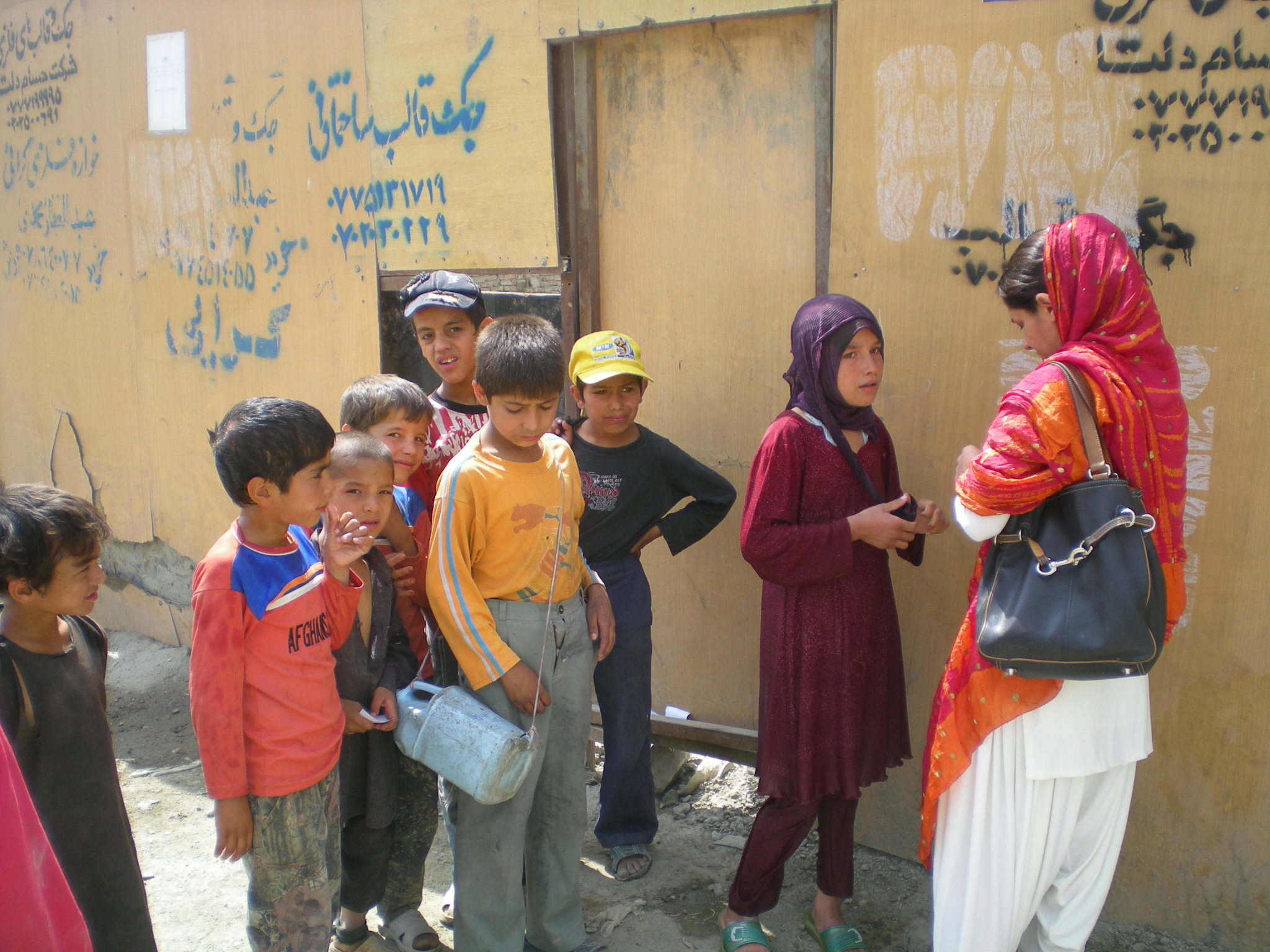
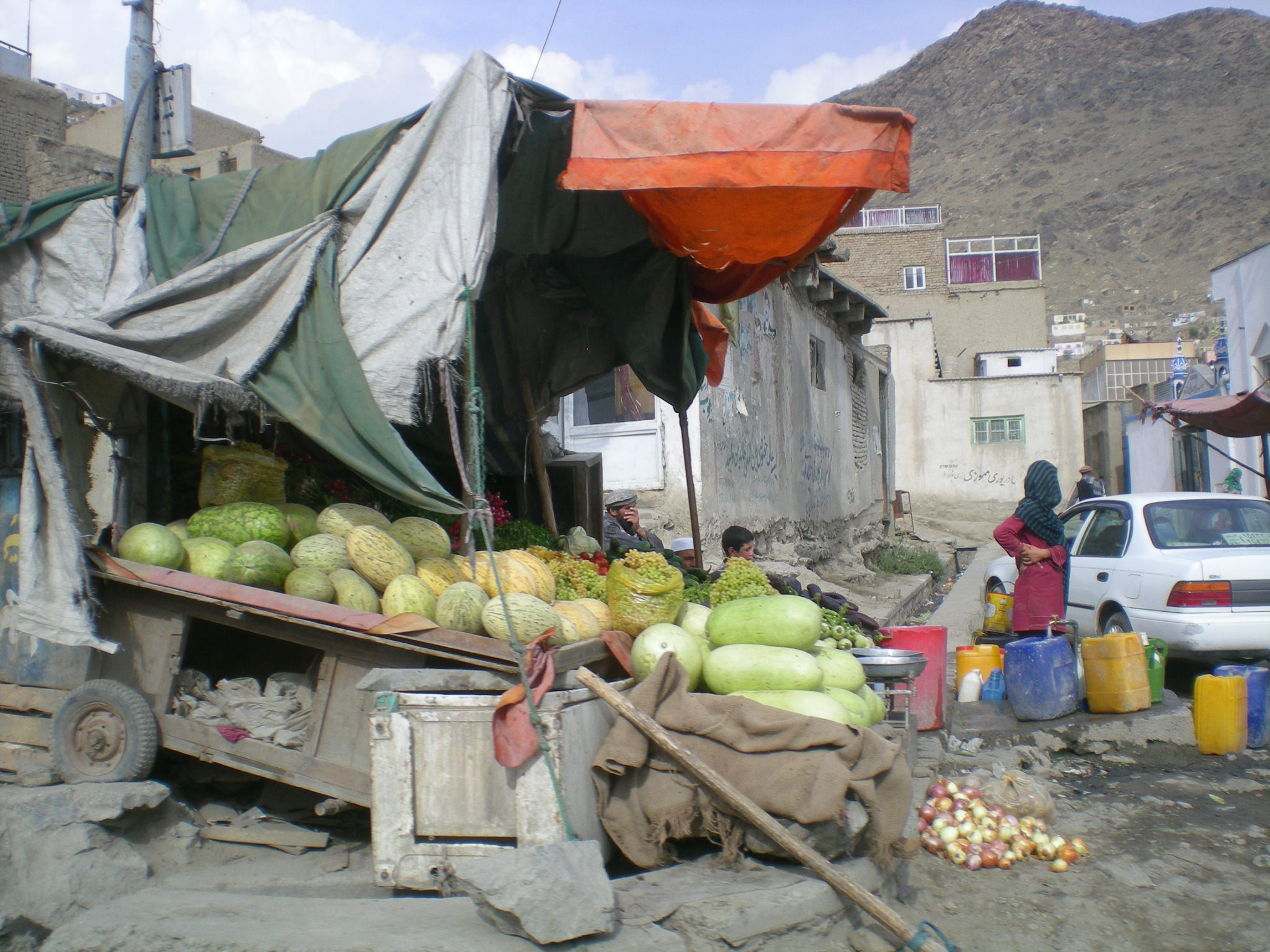
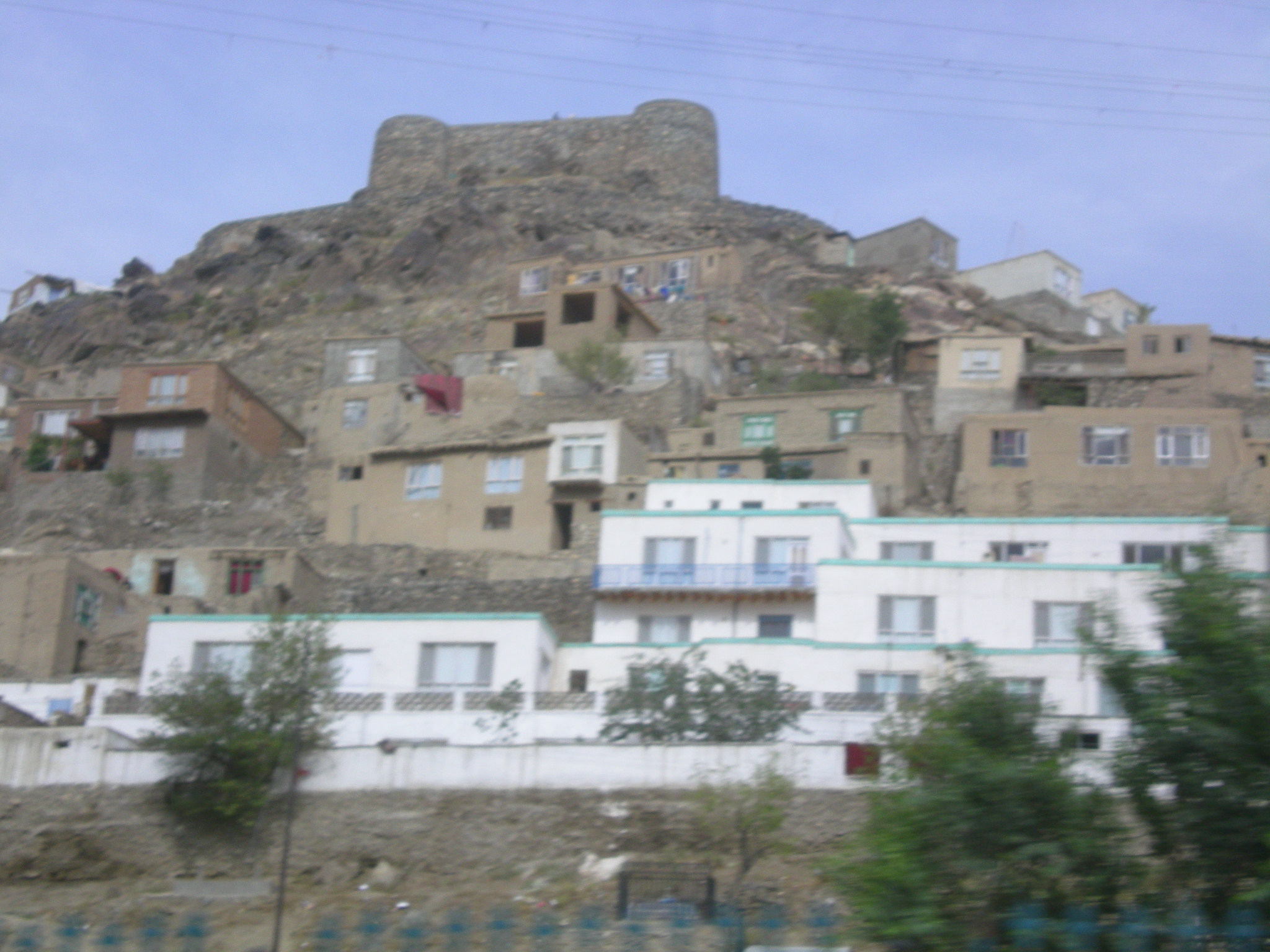
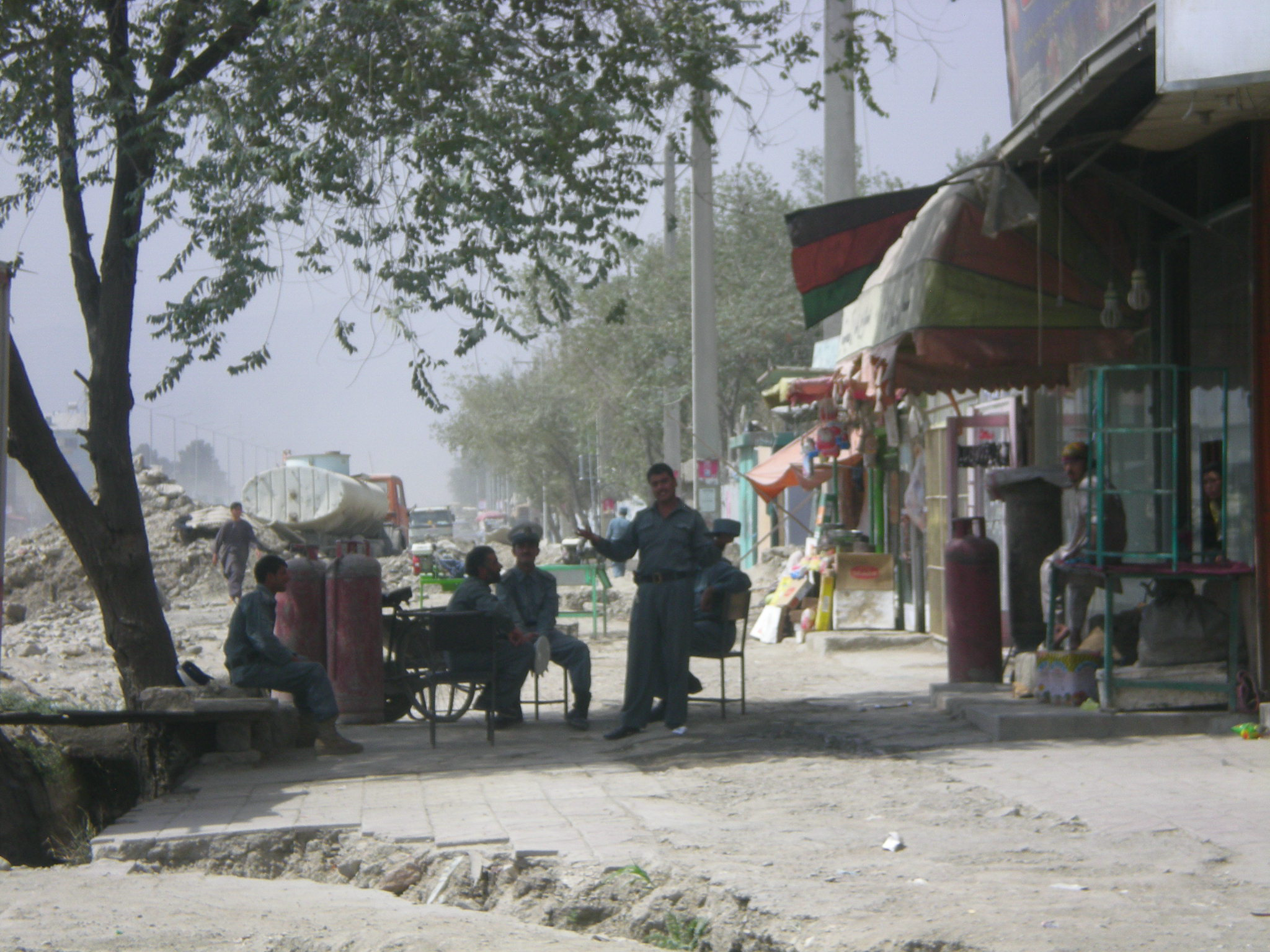
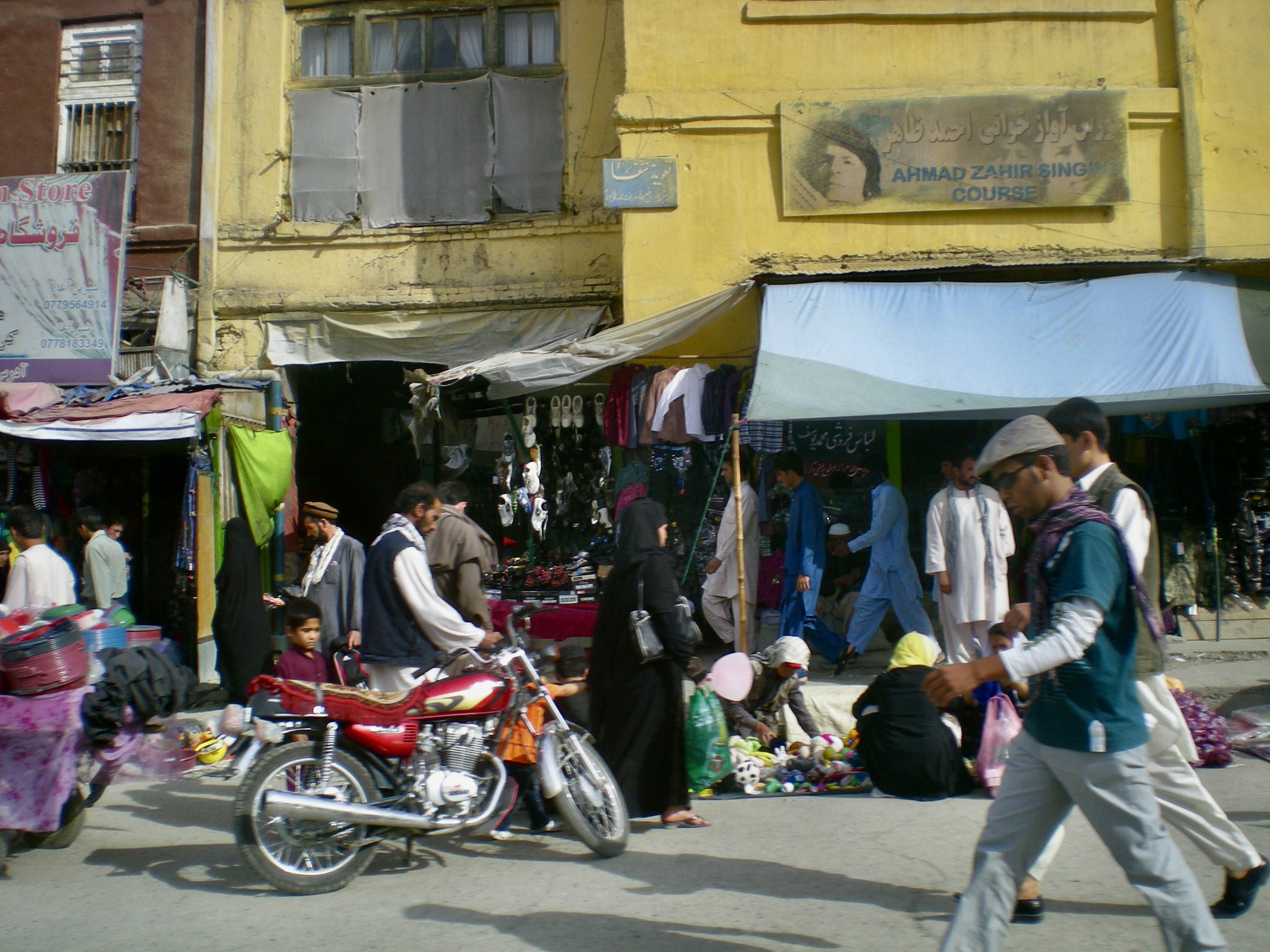
Colonial buildings throughout downtown Kabul. Life on the streets
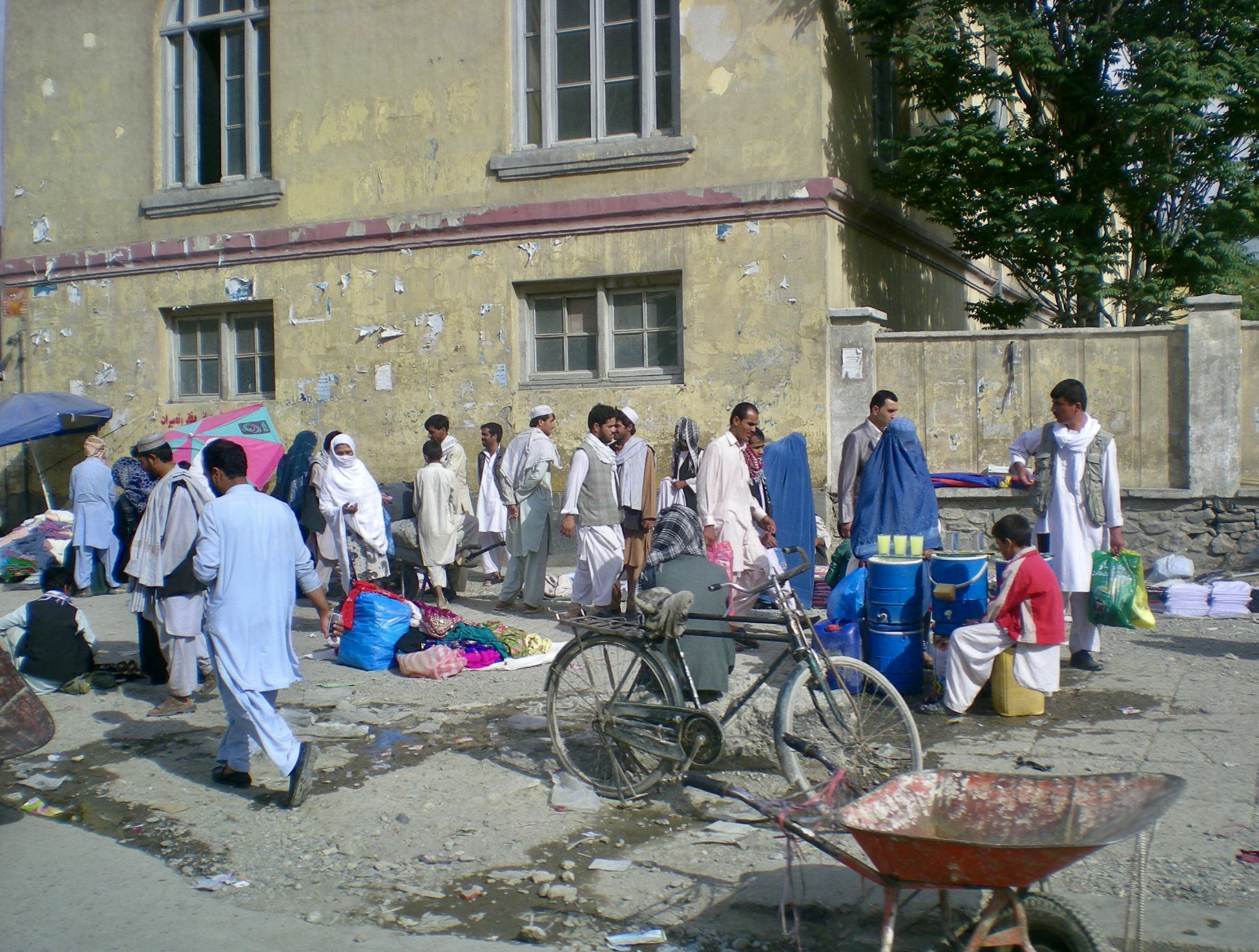
Streetlife Kabul
 Laine Berman